Plumbing Troubleshooting Guide
What Are Common Causes of Low Water Pressure in a House?
Low water pressure can make everyday tasks frustrating, but it can also be a warning sign of clogged pipes, hidden leaks, failing fixtures, pressure regulator problems, or plumbing system issues that need professional attention.
Low water pressure is one of those plumbing problems that can start as a small annoyance and slowly turn into a major concern. At first, it may only seem like your shower does not feel as strong as it used to. Then you notice the kitchen sink takes longer to rinse dishes. The washing machine fills slower. The hose outside barely has enough force to water the yard. Eventually, you start wondering whether the problem is with one fixture, your whole house, or the plumbing system hidden behind the walls.
The most common causes of low water pressure in a house include clogged aerators, mineral buildup inside pipes, partially closed shutoff valves, faulty pressure regulators, leaking pipes, old galvanized plumbing, water heater issues, municipal supply problems, and slab leaks. Some causes are simple and inexpensive to correct. Others require professional diagnosis because low pressure can be a symptom of a bigger issue, especially if the pressure drop happens suddenly or affects the entire home.
For homeowners in Victorville, Apple Valley, Hesperia, the High Desert, and surrounding Southern California communities, water pressure problems can also be affected by hard water, aging plumbing lines, shifting soil, and pressure changes from the local water supply. Inland Pro Plumbing helps homeowners identify the source of weak water flow and fix the issue before it becomes more expensive.
Clogged Fixtures
Aerators, showerheads, and faucet cartridges can collect sediment, calcium, and debris that restrict water flow.
Hidden Leaks
A leaking pipe can reduce available pressure and may cause water damage if ignored.
Pressure Regulator Issues
A failing pressure regulator can cause pressure to become too low, too high, or inconsistent throughout the home.
Old Pipes
Aging galvanized pipes and mineral buildup can narrow the inside of plumbing lines and reduce flow.
Is the Low Water Pressure Happening in One Fixture or the Whole House?
The first thing to determine is whether the low water pressure is isolated or widespread. This simple step can save a lot of time. If only one faucet, shower, or toilet is affected, the problem is usually close to that fixture. It may be a clogged aerator, a dirty showerhead, a worn-out cartridge, a partially closed supply valve, or sediment stuck inside the fixture.
If the entire house has weak pressure, the issue is more likely connected to the main water supply, pressure regulator, main shutoff valve, service line, water heater, or a larger plumbing system problem. Whole-house pressure loss should be taken more seriously, especially if it appears suddenly. A sudden pressure drop may indicate a leak, damaged pipe, failed regulator, or a problem with the water main.
A helpful test is to check multiple fixtures. Turn on the kitchen faucet, bathroom sink, shower, tub, laundry connection, and outdoor hose bib. Make a note of where the pressure is weak and whether it affects hot water, cold water, or both. This information can help a plumber narrow down the cause faster.
Quick Homeowner Test
If only hot water pressure is low, the problem may involve the water heater, hot water supply line, sediment buildup, or a valve near the heater. If both hot and cold water pressure are low throughout the home, the issue may be closer to the main supply line or pressure regulator.
1. Clogged Faucet Aerators and Showerheads
One of the most common and easiest causes of low water pressure is a clogged aerator. The aerator is the small screen at the end of a faucet. Its job is to shape the stream of water and reduce splashing, but it can collect sediment, sand, rust flakes, and hard water minerals over time.
In Southern California, hard water is a common issue. Mineral deposits can build up around faucets and showerheads, leaving white crusty residue. That same buildup can happen inside the fixture. When the openings become restricted, the water may still be under pressure inside the pipe, but the flow coming out of the faucet feels weak.
If one faucet has low pressure but the rest of the house is fine, remove and clean the aerator. For showerheads, mineral buildup can often be reduced by soaking the showerhead in a descaling solution or replacing it entirely. If cleaning the fixture does not restore flow, the problem may be inside the faucet cartridge or supply line.
2. Partially Closed Shutoff Valves
A partially closed valve can quietly reduce water pressure without making any obvious noise or causing a visible leak. This can happen after plumbing repairs, water heater service, appliance installation, irrigation work, or emergency shutoff use. Sometimes a valve is reopened only halfway, and the homeowner does not notice until later.
There are several valves that can affect pressure. Individual fixtures often have small shutoff valves under sinks or behind toilets. Water heaters have supply valves. Homes also have a main shutoff valve, commonly located near the water heater, garage, side yard, or meter area. If one fixture is weak, check the small valve serving that fixture. If the whole house is weak, the main valve may need to be checked.
Be careful with older valves. If a valve is corroded, stiff, leaking, or difficult to turn, forcing it can create a bigger problem. Older gate valves can fail internally, meaning the handle turns but the valve does not fully open inside. A licensed plumber can inspect the valve and replace it if needed.
3. A Faulty Pressure Regulator
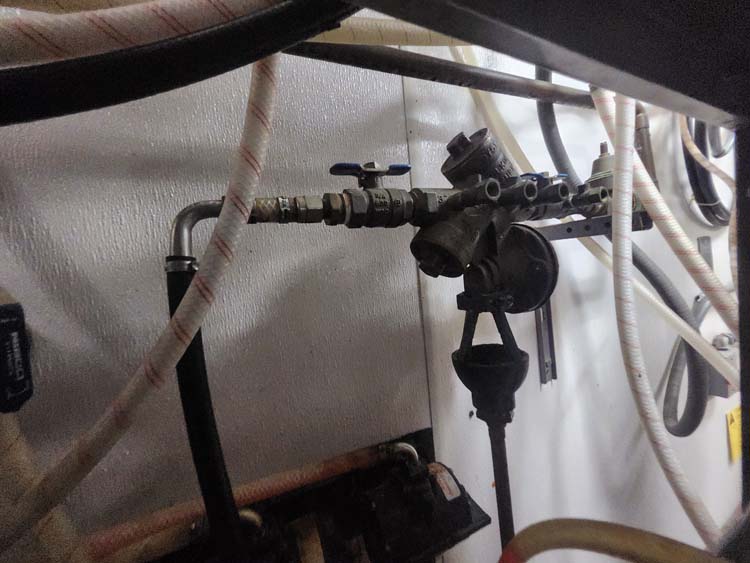
Many homes have a pressure regulator, also called a pressure reducing valve. This device controls the water pressure entering your home from the municipal supply. City water pressure can be higher than what household plumbing fixtures should handle, so the regulator lowers it to a safer and more consistent range.
When a pressure regulator starts to fail, your water pressure may become too low, too high, or inconsistent. You might notice weak showers, slow-filling appliances, pressure that changes during the day, banging pipes, or fixtures that suddenly spray harder than normal. A failing regulator can also place stress on pipes, supply lines, valves, and water-using appliances.
Pressure regulator problems are not always easy to diagnose by feel alone. A plumber can test your water pressure using a gauge and compare it against a safe operating range. If the regulator is worn out or no longer adjustable, replacement may be the best solution.
Warning Sign
If your water pressure suddenly drops throughout the whole house and no valves were recently touched, do not ignore it. A failed regulator, hidden leak, or main line issue may be involved.
4. Hidden Plumbing Leaks
A hidden leak is one of the more serious causes of low water pressure. When water escapes from a pipe before reaching your fixtures, the available pressure and flow inside the home can drop. Some leaks are obvious, such as water under a sink or a wet ceiling. Others are hidden inside walls, under floors, below concrete slabs, or underground between the meter and the house.
Signs of a hidden leak may include unexplained water bills, warm spots on the floor, damp carpet, mildew smells, bubbling paint, warped flooring, water sounds when fixtures are off, or a water meter that continues moving when no water is being used. In slab foundation homes, a leak under the concrete can reduce pressure and cause damage long before water becomes visible.
If you suspect a hidden leak, turn off all fixtures and check your water meter. If the meter continues moving, water may be escaping somewhere in the system. A professional leak detection inspection can help locate the problem without unnecessary demolition.
5. Old Galvanized Pipes or Corroded Plumbing Lines
Older homes may still have galvanized steel pipes. These pipes were common in the past, but over time they corrode from the inside. As rust and mineral deposits build up, the opening inside the pipe becomes smaller. The pipe may look normal from the outside while the inside is severely restricted.
This type of buildup can cause low water pressure throughout the home or in certain areas. It can also cause discolored water, rusty water, flakes in aerators, and recurring clogs at fixtures. Cleaning a faucet screen may provide temporary relief, but if the pipes are narrowing internally, the pressure problem will continue to come back.
When aging pipes are the cause, repair options may include replacing a section of pipe, rerouting lines, or repiping part or all of the home. A plumber can inspect the system and help determine whether the problem is isolated or widespread.
6. Mineral Buildup From Hard Water
Hard water contains minerals that can build up inside fixtures, water heaters, valves, and pipes. Over time, this buildup can restrict flow and reduce water pressure. The High Desert and many parts of Southern California commonly deal with hard water, which makes mineral buildup a frequent plumbing concern.
Hard water may leave white deposits around faucets, shower doors, sinks, and appliances. Inside the plumbing system, the same minerals can collect in small openings and narrow passages. Water heaters are especially vulnerable because heating water can cause minerals to settle inside the tank. This can affect hot water performance, reduce efficiency, and contribute to pressure issues on the hot side.
If mineral buildup is a recurring problem, solutions may include fixture cleaning, water heater flushing, valve replacement, or installing water treatment equipment. A plumber can help determine whether your pressure issue is caused by one clogged fixture or a larger hard water problem throughout the system.
7. Water Heater Problems Affecting Hot Water Pressure
If only the hot water pressure is low, your water heater may be involved. Sediment buildup inside the water heater can restrict flow. A partially closed valve near the water heater can also reduce hot water pressure throughout the home. In some cases, corrosion, failing flex lines, or clogged connections at the water heater can limit the amount of hot water reaching fixtures.
Hot water pressure problems may show up first in showers, tubs, laundry areas, or kitchen sinks. You may notice that cold water runs normally while hot water barely flows. If multiple fixtures have weak hot water pressure, the issue is probably not the faucet itself. It may be connected to the water heater, hot water line, mixing valve, or sediment in the system.
Water heater issues should be handled carefully. If the unit is old, leaking, making noise, or showing signs of corrosion, it may need service or replacement. A plumber can inspect the water heater and determine whether flushing, valve repair, line replacement, or a new unit is needed.
Low Water Pressure Clues and Possible Causes
| What You Notice | Possible Cause | What to Do |
|---|---|---|
| One faucet has weak flow | Clogged aerator, cartridge, or supply valve | Clean aerator or inspect fixture valve |
| Only hot water pressure is low | Water heater sediment, valve issue, or hot line restriction | Schedule water heater and hot line inspection |
| Whole house pressure is low | Main valve, pressure regulator, leak, or supply issue | Check main valve and call a plumber if pressure remains low |
| Pressure suddenly dropped | Leak, regulator failure, main line issue, or city supply problem | Investigate immediately |
| Rusty water with weak pressure | Corroded galvanized pipes or sediment | Have plumbing lines inspected |
8. Municipal Water Supply Problems
Not every low water pressure problem starts inside your home. Sometimes the issue comes from the local water provider. Water main repairs, hydrant flushing, high neighborhood demand, construction work, or a nearby main break can temporarily reduce pressure to multiple homes in the area.
If your pressure suddenly drops, ask a neighbor if they are experiencing the same problem. If several homes are affected, the issue may be outside your property. You can also check for notices from the water district or call the water provider to ask about service disruptions.
If the water provider says there are no known issues and your neighbors have normal pressure, the problem is likely within your property’s plumbing system. At that point, a plumber can test pressure at the hose bib, inspect the regulator, check valves, and look for leaks or restrictions.
9. Problems With the Main Water Service Line
The main water service line carries water from the meter to your home. If this line is damaged, restricted, leaking, or partially blocked, water pressure inside the house can suffer. Since much of the line is underground, problems may not be immediately visible.
Warning signs of a service line issue may include soft soil, unusually green patches of grass, wet spots in the yard, low pressure throughout the home, or a water bill that climbs without explanation. In some cases, tree roots, soil movement, corrosion, or poor installation can contribute to service line damage.
A plumber can perform pressure testing and leak detection to determine whether the service line is the problem. Depending on the severity, the repair may involve a spot repair, replacement, or rerouting of the line.
10. Slab Leaks and Underground Pipe Leaks
A slab leak happens when a water line under a concrete foundation begins leaking. Slab leaks are especially important to catch early because water can spread under flooring, damage foundations, increase utility bills, and reduce water pressure. Not every slab leak creates obvious flooding right away.
Common slab leak warning signs include warm spots on the floor, sounds of running water when fixtures are off, unexplained water bills, damp flooring, mildew smells, cracks in flooring, or low water pressure that cannot be explained by fixture problems. If the leak is on a hot water line, you may also notice the water heater running more often.
Slab leaks should be diagnosed professionally. Guessing where the leak is can lead to unnecessary damage. Leak detection equipment helps locate the problem more accurately, allowing the plumber to recommend repair options such as direct access repair, pipe rerouting, or repiping.
11. Too Many Fixtures Running at the Same Time
Sometimes low pressure is not caused by a broken part. It may be caused by demand. If someone is showering while the dishwasher, washing machine, irrigation system, and another faucet are running, the available water flow may be divided between too many fixtures.
This is especially noticeable in homes with older plumbing, smaller supply lines, or additions that increased water demand without updating the plumbing system. The pressure may feel normal when one fixture is used, then drop when several fixtures run at once.
If this happens regularly, a plumber can evaluate whether your home has adequate pipe sizing, proper pressure regulation, and sufficient flow for your household needs. In some cases, upgrades to supply lines or fixture connections can improve performance.
12. Clogged or Failing Plumbing Fixtures
Faucets, shower valves, toilets, washing machine valves, and tub valves can all fail or clog internally. A fixture can look perfectly fine from the outside while the cartridge, mixing valve, or internal passageway is restricted. This is common in areas with hard water or older plumbing systems that release debris into the lines.
If cleaning the aerator does not fix a weak faucet, the cartridge may need to be cleaned or replaced. If a shower has poor pressure even after replacing the showerhead, the valve behind the wall may be the issue. If a toilet fills slowly, the fill valve or supply line may be restricted.
Fixture problems are usually less serious than hidden leaks or main line issues, but they still need proper diagnosis. Replacing parts without identifying the cause can lead to wasted money and repeated problems.
When Low Water Pressure Becomes an Emergency
Low water pressure is not always an emergency, but certain signs require fast attention. If the pressure drops suddenly throughout the home, if you hear water running when everything is turned off, if there are wet floors or walls, if your water bill spikes unexpectedly, or if the water pressure issue appears after a leak, call a plumber as soon as possible.
You should also act quickly if low pressure is accompanied by discolored water, sewage odors, gurgling drains, water heater problems, or signs of flooding. These symptoms may point to a more serious plumbing issue that can cause property damage or create unsafe conditions.
Call a Plumber Quickly If You Notice:
- Sudden whole-house pressure loss
- Low pressure with a rising water bill
- Warm spots on the floor
- Water sounds when fixtures are off
- Wet drywall, flooring, or cabinets
- Rusty or discolored water
- Hot water pressure problems throughout the home
What You Can Check Before Calling a Plumber
Before scheduling service, there are a few safe checks you can perform. First, determine whether the issue affects one fixture or the entire home. Second, check whether the problem is hot water only, cold water only, or both. Third, look at visible shutoff valves to see if any are partially closed. Fourth, ask neighbors whether they have pressure problems too.
You can also inspect faucet aerators and showerheads for mineral buildup. If you are comfortable doing so, remove the aerator and rinse it. If the water flow improves without the aerator installed, the aerator was likely clogged. If the pressure is still weak, the problem may be deeper in the fixture or plumbing line.
Do not force old valves, open walls, remove water heater connections, or attempt to adjust a pressure regulator unless you know what you are doing. A small mistake can create leaks, damage fixtures, or increase pressure beyond safe limits.
How a Professional Plumber Diagnoses Low Water Pressure
A professional plumber does more than guess. The diagnosis usually starts with questions about when the problem began, whether it affects hot or cold water, which fixtures are affected, and whether there have been recent plumbing repairs or water service interruptions.
From there, the plumber may test water pressure with a gauge, inspect the main shutoff valve, check the pressure regulator, examine fixture shutoff valves, inspect the water heater, test for leaks, and look for signs of corrosion or mineral buildup. If a hidden leak is suspected, leak detection methods may be used to locate the source.
The goal is to identify the actual cause rather than simply replacing parts. Low water pressure can have several overlapping causes, especially in older homes. For example, a home may have hard water buildup at the fixtures, a weak pressure regulator, and aging pipes all contributing to the same complaint.
Can Low Water Pressure Damage Your Plumbing?
Low pressure itself is usually not as damaging as high pressure, but the cause of low pressure can be damaging. A hidden leak can cause structural damage, mold growth, flooring damage, cabinet damage, and higher water bills. Corroded pipes can continue deteriorating until they leak or fail. Water heater sediment can reduce efficiency and shorten the life of the unit.
Low water pressure can also be a sign that the plumbing system is no longer performing the way it should. Ignoring the issue may allow a small repair to turn into a larger one. That is why it is important to pay attention when pressure changes suddenly, keeps getting worse, or affects more than one area of the home.
How to Prevent Future Low Water Pressure Problems
Preventing low water pressure starts with basic plumbing maintenance. Clean faucet aerators and showerheads regularly, especially if you notice hard water buildup. Flush your water heater as recommended for your system. Replace old shutoff valves before they seize or fail. Pay attention to water bills, damp areas, and changes in water flow.
If your home has older plumbing, consider having the system inspected. Aging pipes, failing valves, and outdated materials can create pressure problems before a major leak occurs. Preventive inspections are especially useful for older homes, rental properties, commercial buildings, and properties with a history of slab leaks or pipe repairs.
For homes in hard water areas, water treatment may also help reduce mineral buildup. While it will not fix pipes that are already severely restricted, it can help protect fixtures, appliances, and plumbing components moving forward.
Low Water Pressure Checklist for Homeowners
- Check whether low pressure affects one fixture or the whole house.
- Determine whether the problem is hot water, cold water, or both.
- Inspect faucet aerators and showerheads for mineral buildup.
- Make sure visible shutoff valves are fully open.
- Ask neighbors if they are also experiencing pressure problems.
- Look for signs of hidden leaks, damp areas, or rising water bills.
- Call a plumber if the issue is sudden, widespread, recurring, or unexplained.
Low water pressure may seem minor, but it can point to hidden plumbing problems that are easier and less expensive to fix when caught early.
Final Thoughts: Do Not Ignore a Sudden Drop in Water Pressure
Low water pressure can be caused by something as simple as a clogged faucet screen or as serious as a hidden slab leak. The key is paying attention to the pattern. One weak fixture often points to a fixture problem. Whole-house pressure loss points to a larger system issue. Hot-water-only pressure loss may involve the water heater or hot water lines. Sudden pressure loss should always be investigated quickly.
If your home has weak water flow, inconsistent pressure, noisy pipes, rising water bills, or signs of moisture, Inland Pro Plumbing can help identify the cause and recommend the right repair. Our team serves Victorville, Apple Valley, Hesperia, the High Desert, and nearby Southern California communities with professional plumbing diagnostics, leak detection, pipe repair, water heater service, and emergency plumbing support.
Dealing With Low Water Pressure in Your Home?
Inland Pro Plumbing can inspect your plumbing system, test your water pressure, check for hidden leaks, evaluate your pressure regulator, and help restore strong, reliable water flow throughout your home.