Summer Plumbing Problems Every Homeowner Should Watch For
Summer brings warmer weather, family gatherings, outdoor activities and increased water usage. It can also place additional stress on drains, sewer lines, outdoor faucets, water heaters and other parts of your plumbing system. Recognizing seasonal warning signs early may help you avoid water damage, disruptive repairs and unexpectedly high utility bills.
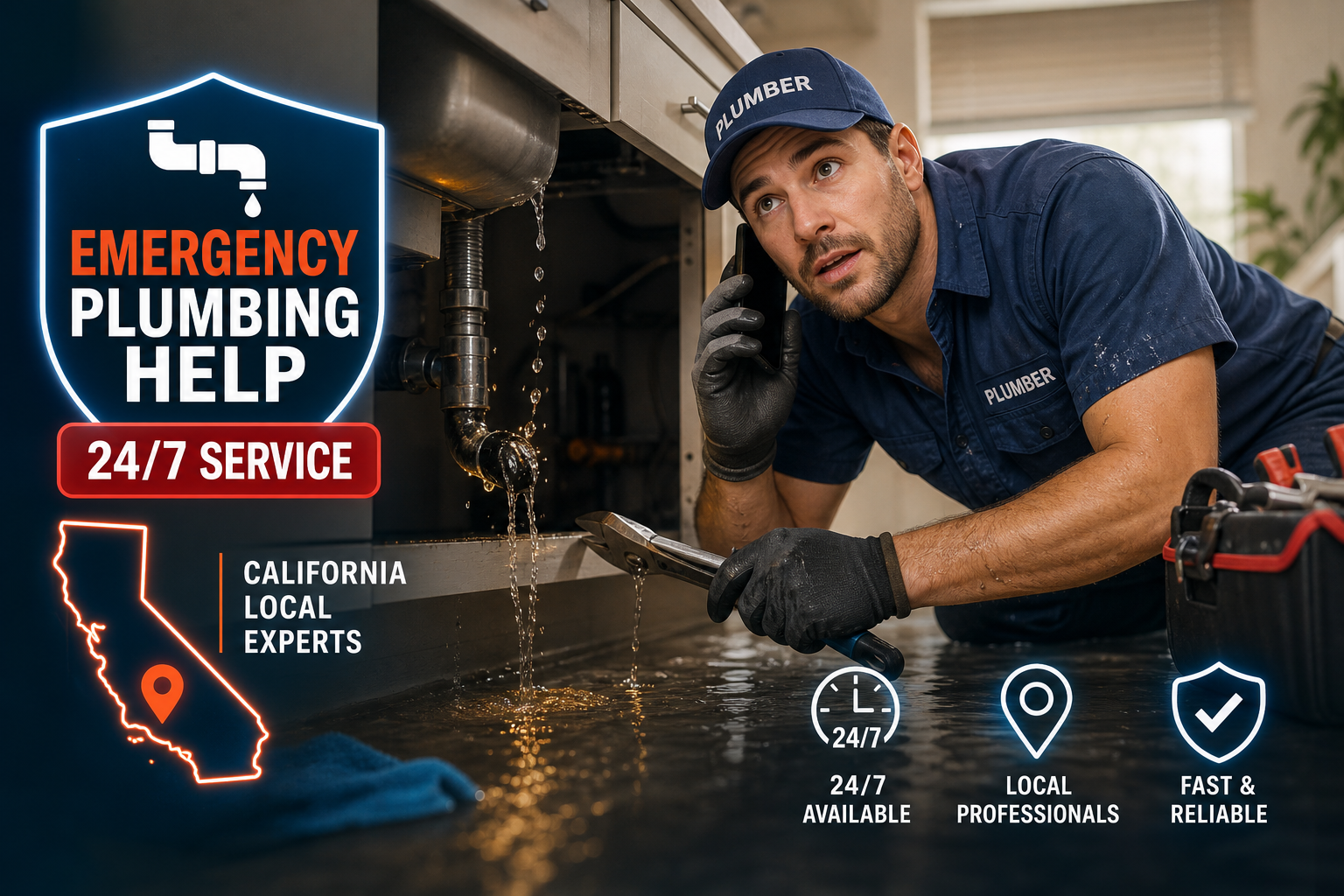
Why Plumbing Problems Can Increase During Summer
A residential plumbing system works throughout the year, but summer can introduce a different combination of demands. Children may be home more often, guests may visit, washing machines and dishwashers may run more frequently, and outdoor faucets may be used for gardening, pools, pets or vehicle washing.
At the same time, hot and dry conditions can affect soil surrounding underground pipes. Landscaping projects may disturb buried water or sewer lines, and summer cooking can send more grease and food debris into kitchen drains. These conditions do not automatically cause plumbing failures, but they can reveal weak pipes, worn fixtures and drainage problems.
Common Summer Plumbing Problems
Understanding the problems that commonly appear during warmer months can help you recognize when a small issue needs professional attention. The following are some of the most important summer plumbing concerns for homeowners to monitor.
Clogged Kitchen Drains
Barbecues, parties and family meals can result in more grease, food scraps and cooking debris entering the kitchen sink. Grease may appear liquid while warm, but it can cool and harden inside the drainpipe. Over time, this buildup can restrict water flow and collect additional debris.
Garbage Disposal Problems
Corn husks, fruit pits, bones, fibrous vegetables, grease and large amounts of food waste can jam or damage a garbage disposal. Even when the disposal continues running, improper waste may create buildup farther down the drain line.
Outdoor Faucet Leaks
Hose bibs and outdoor faucets are used more frequently during summer. Worn washers, damaged seals and loose connections may allow water to drip behind the handle or leak continuously from the spout. A small outdoor leak can waste a surprising amount of water.
Underground Water-Line Leaks
Dry soil, ground movement and landscaping work can place stress on buried plumbing lines. Warning signs may include unusually wet soil, greener patches of grass, low water pressure, a spinning water meter or an unexplained increase in the water bill.
Sewer-Line Blockages
Tree roots naturally search for moisture and may enter sewer lines through small cracks or loose joints. Once roots enter a line, they can trap waste and create recurring backups. Slow drains throughout the home or gurgling toilets may indicate a main sewer-line problem.
Running or Frequently Clogging Toilets
Additional household use during summer can expose weak toilet components and partially blocked drain lines. A running toilet may result from a worn flapper, fill valve problem or incorrect water level. Frequent clogs may point to a deeper drain issue.
Higher-Than-Normal Water Bills
Some summer increases are caused by irrigation and outdoor water use, but a sharp or unexplained increase should not be ignored. Hidden toilet leaks, outdoor faucet leaks, slab leaks and damaged service lines can waste water continuously.
Low Water Pressure
Low pressure may become more noticeable when sprinklers, showers and appliances operate at the same time. However, persistent low pressure can also indicate mineral buildup, a failing pressure regulator, a partially closed valve or a hidden leak.
Slab Leak Warning Signs
A leak beneath the concrete foundation may create warm flooring, damp carpet, musty odors, low pressure or the sound of running water when fixtures are off. Slab leaks should be evaluated quickly because prolonged moisture can damage flooring and surrounding materials.
Why Is My Water Bill Higher in Summer?
Increased irrigation, pool maintenance, outdoor cleaning and household activity can all raise seasonal water consumption. The important question is whether the increase matches your actual usage.
Compare your bill with the same month from the previous year when possible. A large difference without a clear explanation may indicate a plumbing leak or inefficient fixture.
Check these common water-loss areas:
- Running toilets
- Dripping outdoor faucets
- Damaged irrigation connections
- Leaking water-heater connections
- Wet areas near the foundation
- Hidden underground water lines
Summer Drain and Sewer Problems
Drain problems are common during summer because of additional cooking, entertaining and household use. Kitchen sinks may receive more grease and food waste, while bathroom drains may collect more hair, soap residue and personal-care products.
A single slow drain is often related to a nearby fixture. When multiple drains become slow at the same time, or when flushing a toilet causes another drain to gurgle, the problem may be located in the main sewer line.
Do not ignore sewage odors or wastewater backups
Sewage odors, wastewater entering tubs or showers, and repeated toilet backups can indicate a serious drain or sewer problem. Avoid using affected fixtures and contact a plumber for an inspection.
Outdoor Plumbing Problems to Watch For
Outdoor water systems receive much more use during warm weather. A leaking hose connection may seem minor, but constant dripping can increase water consumption and create moisture near exterior walls or the foundation.
Inspect hose bibs while the water is running and after the faucet is turned off. Look for water around the handle, wall penetration and hose connection. You should also watch for bubbling soil, soft ground or isolated patches of unusually green landscaping.
Signs of a possible underground leak
- Wet ground during dry weather
- Unexplained puddles near the home
- Grass growing faster in one area
- Reduced indoor water pressure
- Hissing or running-water sounds
- A water meter moving when fixtures are off
Be careful before digging
Installing fencing, trees, irrigation or landscape features may place buried plumbing at risk. Before beginning a major digging project, make sure underground utilities and private plumbing lines have been properly considered.
Can Summer Affect Your Water Heater?
Water heaters are used year-round, although household demand may change during summer. Guests, additional laundry and more frequent showers can increase hot-water usage. Existing sediment buildup, aging components or small connection leaks may become more noticeable under heavier demand.
Check around the base of the water heater for moisture, rust or corrosion. Listen for unusual popping or rumbling noises and pay attention to changes in hot-water temperature. Water around the tank, a damaged pressure-relief valve or signs of corrosion should be evaluated promptly.
Summer Plumbing Maintenance Checklist
A few basic checks can help you find developing problems before they interrupt your summer plans.
- Check indoor and outdoor faucets for drips.
- Listen for toilets that continue running after flushing.
- Watch for slow drains or recurring clogs.
- Look beneath sinks for water stains or cabinet damage.
- Inspect visible washing-machine and dishwasher hoses.
- Check around the water heater for moisture or corrosion.
- Monitor monthly water usage for unexplained changes.
- Keep grease, bones and fibrous food out of the disposal.
- Pay attention to warm or damp areas on flooring.
- Call a plumber when multiple fixtures drain slowly.
When Should You Call a Plumber?
Some small maintenance concerns can be corrected by tightening a hose connection or replacing an accessible fixture component. However, persistent leaks, repeated drain blockages, low water pressure and unexplained water usage often require professional diagnosis.
Contact a plumber when you notice water damage, recurring sewer odors, several slow drains, warm flooring, a continuously moving water meter or a sudden loss of pressure. Early detection may reduce damage and provide more repair options.
Do You Have a Summer Plumbing Problem?
Inland Pro Plumbing can help evaluate leaks, clogged drains, sewer-line concerns, water-pressure problems and other residential plumbing issues.
Summer Plumbing FAQ
Here are answers to common questions homeowners have about plumbing problems during the summer months.
What are the most common plumbing problems during summer?
Common summer plumbing problems include clogged kitchen drains, garbage disposal jams, leaking outdoor faucets, running toilets, sewer-line blockages, underground water leaks and unusually high water bills.
Why does my water bill increase during summer?
Summer water bills may increase because of irrigation, outdoor cleaning, pools and greater household activity. A sharp increase that cannot be explained by normal usage may indicate a leaking toilet, faucet, irrigation connection or underground pipe.
Can hot weather cause plumbing pipes to leak?
Heat alone does not always cause a leak, but dry soil, ground movement, expansion and increased water demand may place additional stress on already weakened or aging plumbing lines.
Why do my drains smell worse during hot weather?
Warm conditions may make drain odors more noticeable. Common causes include dry drain traps, organic buildup, garbage disposal debris, venting problems or a developing sewer-line blockage.
How can I tell whether an outdoor faucet is leaking?
Look for dripping from the spout, water around the handle, moisture at the wall connection or a hose connection that continues leaking after it has been tightened. Persistent outdoor leaks should be repaired to prevent water waste.
What are signs of a summer sewer-line problem?
Signs include multiple slow drains, gurgling toilets, recurring backups, sewage odors and wastewater entering a tub or shower when another fixture is used.
Should I turn off my water before going on summer vacation?
Turning off the main water supply may reduce the risk of serious water damage while you are away, provided it is safe for your plumbing system and household equipment. Irrigation, fire-suppression systems and certain appliances may require special consideration.
When is a summer plumbing problem an emergency?
Active flooding, sewage backups, a burst pipe, rapidly spreading water damage or a major loss of water service may require immediate attention. Shut off the water when it is safe to do so and contact a plumber.