Why Is My Water Bill Higher During Summer? 9 Common Causes Every Homeowner Should Know
A moderate increase in water usage can be normal during summer, but a bill that rises sharply without an obvious explanation may be warning you about a hidden plumbing problem. Irrigation, outdoor faucets, running toilets, underground leaks and increased household activity can all affect your monthly water costs.
Is a Higher Summer Water Bill Normal?
Some increase in water use is common during warmer months. Homeowners may water landscaping more often, fill pools, wash vehicles, run additional laundry loads and use outdoor faucets for cleaning or recreation. Children may also be home from school, and visiting friends or relatives can increase the use of showers, toilets and appliances.
The concern begins when the increase is much larger than expected, continues after outdoor usage has been reduced or cannot be explained by normal household activity. In those situations, the higher bill may be connected to a leaking toilet, damaged irrigation line, outdoor faucet leak, slab leak or underground water-service problem.
9 Common Reasons Your Water Bill Is Higher During Summer
A higher water bill does not always mean your plumbing system is damaged. However, understanding the most common causes can help you separate expected seasonal use from a problem that needs professional attention.
More Landscape Watering
Irrigation is one of the most common reasons water bills rise during summer. Lawns, gardens, trees and shrubs may need more frequent watering during hot and dry conditions. Even a modest increase in watering time can add a large amount of usage over an entire month.
Leaking Irrigation Lines
A damaged sprinkler head, cracked underground line or malfunctioning irrigation valve can waste water every time the system runs. Because much of the plumbing is underground, the leak may continue for weeks before it becomes visible.
Running Toilets
A worn flapper, damaged fill valve or incorrect tank-water level can allow a toilet to run continuously. Some toilet leaks are easy to hear, while others are nearly silent. A continuously leaking toilet can significantly increase monthly water consumption.
Dripping Outdoor Faucets
Outdoor faucets and hose bibs are used more often during summer. Worn washers, damaged seals and loose hose connections can allow water to drip continuously. A slow leak may appear minor but can waste water around the clock.
More Laundry and Dishwasher Use
Summer activities may result in more towels, sports clothing, bedding and dishes. Guests and children at home can also increase appliance use. Older washing machines and dishwashers may use substantially more water than newer efficient models.
Pool and Spa Maintenance
Filling or topping off a pool can use a large amount of water. Hot weather increases evaporation, especially when pools are uncovered. Pool plumbing leaks, faulty automatic fillers and damaged equipment connections may also contribute to unexpectedly high usage.
Hidden Slab Leaks
A slab leak occurs when a water line beneath the concrete foundation develops a leak. Because the pipe is hidden, water may escape for an extended period before visible damage appears. Warning signs include warm flooring, damp carpet, low pressure and running-water sounds.
Main Water-Line Leaks
The water-service line carries water from the meter to the home. Ground movement, corrosion, aging materials or accidental damage can cause this line to leak. Signs may include wet soil, unusually green landscaping, reduced pressure or a meter that moves while fixtures are off.
More People Using Water
Children home from school, visiting relatives and summer gatherings can increase water consumption. Additional showers, toilet flushes, cooking and cleaning may explain part of the increase, especially when several activities occur throughout the month.
A sudden increase deserves attention
Compare your current bill with both the previous month and the same month from the prior year. If your household habits have not changed enough to explain the increase, inspect your plumbing and consider professional leak detection.
How Hidden Leaks Increase Your Water Bill
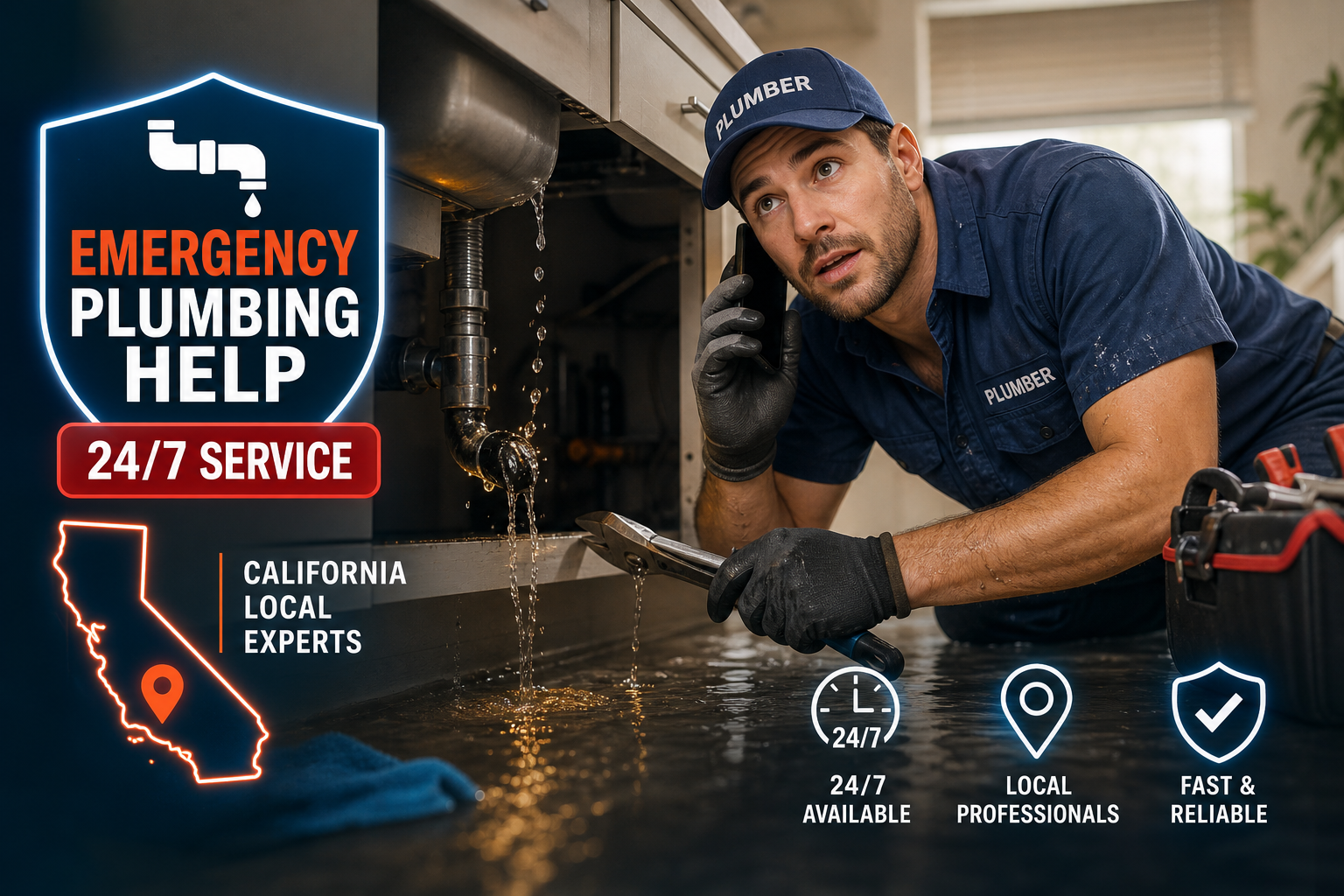
A hidden leak can allow water to escape continuously, even when nobody is actively using a fixture. Unlike a dripping faucet that can be seen, leaks inside walls, beneath flooring or underground may remain unnoticed until they cause visible damage or increase the utility bill.
The amount of water lost depends on the size and location of the leak. A small pinhole leak may produce a gradual increase, while a damaged service line can create a much larger change. The longer the leak continues, the greater the potential for water damage, mold growth and expensive repairs.
Possible signs of a hidden water leak
- A sudden or unexplained rise in the water bill
- Low or inconsistent water pressure
- Warm areas on tile, wood or concrete flooring
- Damp carpet or warped flooring
- Water stains on walls or ceilings
- Musty odors or visible mold
- Running-water sounds when fixtures are off
- Wet soil near the foundation or water meter
Why summer can reveal the problem
Higher seasonal use may make a hidden leak more noticeable because the plumbing system is already under greater demand. Dry ground can also make unexplained wet spots easier to see.
A plumbing inspection can help determine whether the increase is caused by normal usage, a fixture problem or a concealed pipe leak.
How to Check Your Water Meter for a Possible Leak
Your water meter can help indicate whether water is moving through the plumbing system when it should not be. This simple test cannot identify the location of a leak, but it may confirm that additional investigation is needed.
Basic water-meter test
- Turn off faucets, appliances, irrigation and other water-using fixtures.
- Make sure nobody uses water during the test.
- Locate the water meter and record the current reading.
- Watch the meter or leak indicator for movement.
- Wait approximately 30 to 60 minutes without using water.
- Check the meter again and compare the reading.
If the meter changes while all water use is stopped, water may be leaking somewhere on the property. Certain appliances, water softeners, irrigation controllers and pool fillers can operate automatically, so make sure those systems are not running during the test.
Could a Running Toilet Be Causing the Increase?
Toilets are one of the most common sources of hidden household water loss. A failing flapper may allow water to move slowly from the tank into the bowl, causing the fill valve to refill the tank repeatedly. Because this process can be quiet, the problem may continue unnoticed.
Listen for a toilet that refills when nobody has flushed it. You can also place several drops of food coloring in the tank and wait without flushing. If colored water appears in the bowl, the flapper or another tank component may be leaking.
Replacing worn toilet components is often a straightforward repair, but persistent problems may indicate a damaged flush valve, incorrect installation or a toilet that should be replaced.
How Outdoor Plumbing Affects Summer Water Usage
Outdoor plumbing systems are responsible for a large portion of seasonal water use. Sprinklers, drip systems, garden hoses, pool equipment and outdoor faucets can all leak without immediately affecting the interior of the home.
Walk around the property while irrigation is operating. Look for broken sprinkler heads, misting, runoff, bubbling soil or areas that remain wet long after watering has stopped. Check outdoor faucets for dripping at the spout, handle and wall connection.
Also inspect garden hoses and quick-connect fittings. Small hose leaks can waste water throughout long watering sessions, especially when the faucet is left pressurized between uses.
How to Compare Your Water Usage
The total dollar amount on the bill is important, but the actual usage measurement provides better information. Rates may change, and some utilities use tiered pricing that charges more when usage reaches higher levels.
Review the gallons, cubic feet or other usage unit shown on the bill. Compare the current period with the previous month and the same period from the prior year. This can help you determine whether the increase is seasonal or unusual.
Questions to ask when reviewing the bill
- Did irrigation run more frequently?
- Was a pool recently filled or topped off?
- Were more people staying in the home?
- Did laundry or dishwasher use increase?
- Have any faucets or toilets been running?
- Are there wet areas around the property?
Look beyond the total price
An increase in the total charge may be partly caused by higher utility rates. Comparing the actual volume of water used will help show whether your property consumed more water.
When usage has increased significantly without a clear reason, a leak inspection is a sensible next step.
How to Reduce Your Summer Water Bill
Reducing water waste does not always require major plumbing changes. Small adjustments can improve efficiency while also helping you identify fixtures that are no longer working properly.
- Repair dripping faucets and running toilets promptly.
- Water landscaping during cooler morning hours.
- Adjust irrigation schedules for weather conditions.
- Replace broken sprinkler heads and damaged hoses.
- Use shutoff nozzles on garden hoses.
- Run dishwashers and washing machines with full loads.
- Install efficient showerheads and faucet aerators.
- Monitor the water meter and monthly utility statements.
- Have unexplained pressure changes inspected.
- Schedule leak detection when usage remains unusually high.
When Should You Call a Plumber About a High Water Bill?
Contact a plumber when the increase cannot be explained by irrigation, pools, guests or other seasonal activities. Professional evaluation is especially important when the higher bill appears along with low pressure, warm flooring, damp areas, running-water sounds or a moving meter.
Leak-detection equipment can help locate concealed plumbing problems without immediately opening large areas of flooring or walls. The proper repair will depend on the pipe location, material, age and extent of damage.
Is a Hidden Leak Raising Your Water Bill?
Inland Pro Plumbing can help inspect unexplained water usage, running toilets, outdoor leaks, slab leaks and damaged water lines before the problem causes more damage.
High Summer Water Bill FAQ
These answers address common questions homeowners have when water usage and monthly utility charges increase during summer.
Why is my water bill higher during summer?
Summer water bills often rise because of landscape irrigation, pool maintenance, outdoor cleaning, additional laundry and more people using water. A sharp increase may also indicate a leaking toilet, irrigation problem or hidden plumbing leak.
How much should my water bill increase in summer?
There is no single normal percentage because usage depends on property size, landscaping, household activity and local rates. Compare the actual water volume with previous months and the same season from the prior year.
Can a running toilet cause a high water bill?
Yes. A worn flapper, faulty fill valve or incorrect tank level can allow a toilet to use water continuously. Some toilet leaks are quiet and may continue for weeks without being noticed.
How can I tell whether I have a hidden water leak?
Common signs include unexplained water usage, low pressure, water stains, warm flooring, damp carpet, musty odors, wet soil and movement at the water meter while fixtures are off.
Can irrigation leaks raise my water bill?
Yes. Broken sprinkler heads, underground pipe damage, leaking valves and improper controller settings can waste significant amounts of water during each irrigation cycle.
How do I use my water meter to check for a leak?
Turn off all water-using fixtures and appliances, record the meter reading and wait without using water. If the meter changes, water may be leaking somewhere on the property.
Can a slab leak cause a sudden water-bill increase?
Yes. A damaged water line beneath the foundation may leak continuously. Other signs can include warm flooring, low pressure, damp areas and the sound of running water when fixtures are off.
When should I call a plumber about a high water bill?
Call a plumber when the increase cannot be explained by seasonal activity, the water meter moves while fixtures are off or you notice low pressure, damp areas, running-water sounds or other signs of a hidden leak.