

Vacation Plumbing Checklist: 12 Essential Steps Before You Leave Home
A relaxing vacation can become an expensive problem if a pipe leaks, a toilet runs or a water heater fails while your home is unattended. This practical vacation plumbing checklist can help you reduce the risk of water damage, high utility bills, drain odors and plumbing emergencies while you are away.
Why Check Your Plumbing Before a Vacation?
Plumbing problems can happen at any time, but they are especially damaging when nobody is home to notice them. A leaking supply line, running toilet or overflowing appliance can waste water for days before anyone discovers the problem.
Preparing your plumbing before traveling does not require a complicated inspection. A short walk-through can help you identify visible leaks, slow drains, loose connections and fixtures that should be repaired before you leave.
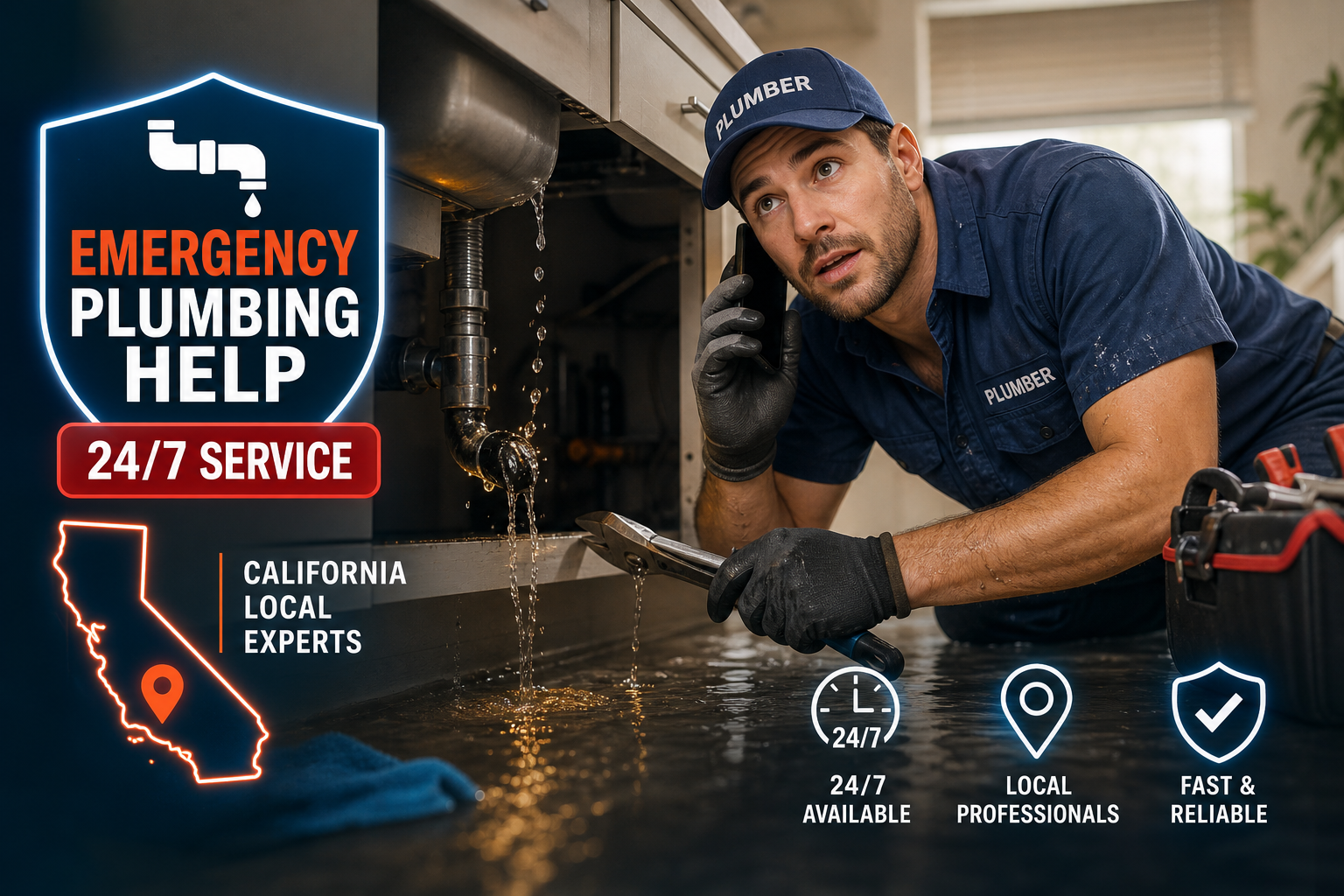
12 Plumbing Checks to Complete Before You Leave
Complete these checks before your trip so you have time to repair any problems you find. Waiting until the morning of departure may leave too little time to address a leaking fixture or damaged connection properly.
Look Under Every Sink
Open the cabinets beneath kitchen, bathroom and utility sinks. Look for dripping connections, water stains, swollen cabinet material, rust or musty odors. Run each faucet briefly and check the drain and supply connections while water is flowing.
Check Toilets for Silent Leaks
Listen for toilets that refill when nobody has flushed them. A worn flapper or faulty fill valve can allow water to run continuously. Place a few drops of food coloring in the toilet tank and wait without flushing. Color appearing in the bowl may indicate a tank leak.
Inspect Washing-Machine Hoses
Washing-machine supply hoses remain under pressure even when the appliance is not running. Check for cracks, bulges, corrosion and moisture around the connections. Old or damaged hoses should be replaced before they fail.
Examine the Dishwasher Connection
Look beneath and around the dishwasher for moisture, warped flooring or signs of previous leaks. A loose supply connection or damaged drain hose may leak only while the appliance is operating, so pay attention during the final cycle before your trip.
Check the Refrigerator Water Line
Refrigerators with ice makers or water dispensers use a small supply line that can leak behind the appliance. Look for water near the refrigerator, damaged tubing or a slow ice-maker connection leak.
Inspect the Water Heater
Look around the tank for moisture, corrosion, rust or white mineral deposits. Listen for unusual popping or rumbling noises. Water around the base of the tank or a leaking connection should be evaluated before you leave.
Clear Slow Drains
A slow sink, tub or shower drain may worsen while you are away, especially if organic buildup remains in the trap or drain line. Address slow drainage before traveling rather than returning to standing water or strong odors.
Run and Clean the Garbage Disposal
Food debris left inside the disposal can create unpleasant odors while the home is closed. Run cold water, operate the disposal and make sure it drains properly. Do not leave grease, fibrous food or large scraps in the drain.
Check Outdoor Faucets and Hoses
Disconnect garden hoses when practical and verify that outdoor faucets shut off completely. Look for dripping at the spout, handle and wall connection. A small outdoor leak may waste water throughout your entire trip.
Review Irrigation Settings
Check sprinkler schedules, damaged heads and wet areas around the property. Avoid leaving an irrigation system on an excessive schedule while traveling. Make sure a trusted person knows how to shut the system off if a leak develops.
Test the Main Water Shutoff Valve
Locate the main shutoff valve and make sure it is accessible. Do not force an old or corroded valve. If the valve is difficult to turn, leaks when moved or does not fully stop water flow, have it inspected before relying on it during an emergency.
Check the Water Meter
Turn off all fixtures and water-using appliances, then observe the meter. If it continues moving when no water should be in use, you may have a hidden leak that should be investigated before leaving the property unattended.
When Should You Complete Your Vacation Plumbing Checklist?
Spacing the checks across several days gives you time to schedule repairs without disrupting your travel plans.
Inspect for Existing Problems
Check toilets, sinks, appliance connections, outdoor faucets and the water heater. Schedule a plumber if you notice moisture, corrosion, slow drainage, low pressure or unexplained meter activity.
Complete Laundry and Appliance Use
Finish major laundry and dishwasher loads early enough to observe the appliances afterward. Check the surrounding area for leaks before the house is left unattended.
Clean Drains and Empty Disposal Debris
Run water through drains, clean the garbage disposal and make sure sinks and tubs empty normally. Remove food debris that could create odors.
Complete the Final Walk-Through
Verify that faucets are closed, toilets are not running, appliances are not operating and no new moisture has appeared. Follow your plan for the main water valve and water heater.
Should You Shut Off the Main Water Before Vacation?
Shutting off the main water supply can reduce the risk of major water damage if a pipe, supply hose or fixture fails while you are away. However, the correct decision depends on the property and the systems that rely on water.
Irrigation systems, fire sprinklers, pool equipment, water-treatment systems and certain appliances may need water service. A shutoff valve that has not been used for years may also leak or fail when operated.
Before closing the valve
Confirm which systems will be affected. Make sure the valve works correctly and that you understand the proper water-heater procedure. Contact a plumber when the valve is damaged, corroded or difficult to operate.
Smart Vacation Plumbing Preparation
Good Steps to Take
- Repair active leaks before departure.
- Leave access to the main shutoff valve.
- Give a trusted person your plumber’s contact information.
- Use leak alarms near vulnerable appliances.
- Ask someone to inspect the home during a long trip.
- Keep emergency instructions simple and visible.
Problems You Should Not Ignore
- A toilet that occasionally runs by itself.
- Moisture beneath a sink or appliance.
- A slow drain with recurring odors.
- Corrosion on water-heater connections.
- A water meter that moves when fixtures are off.
- A main valve that cannot be closed properly.
What Should You Do With the Water Heater?
The correct water-heater setting depends on the type of equipment, manufacturer instructions and whether the main water supply will remain on. Some units have a vacation mode that lowers energy use while maintaining basic operation.
Do not turn off or alter a gas or electric water heater unless you understand the proper procedure. Turning off the water supply while leaving certain water-heating equipment operating incorrectly could create safety or equipment problems.
For Longer Vacations
Ask a trusted person to check the home periodically. They should know where the water shutoff is located, how to contact you and which plumber to call if they discover water, unusual sounds or a plumbing odor.
How to Help Prevent Drain Odors While You Are Away
Drain traps hold water that blocks sewer gases from entering the home. In fixtures that are rarely used, trap water can evaporate and allow odors to develop. Before leaving, run water briefly in sinks, tubs, showers and floor drains.
Clean food debris from the kitchen sink and garbage disposal. Empty strainers and avoid leaving standing water in sinks. If a drain already smells bad before the trip, the problem may involve buildup, a dry trap, venting or a sewer-line issue that should be addressed.
What to Check When You Return Home
Before unpacking, take a few minutes to inspect the plumbing. Look beneath sinks, around toilets, near appliances and around the water heater. Check flooring for dampness and listen for running water.
If the main water supply was turned off, reopen it slowly and monitor visible connections. Run faucets briefly to clear stagnant water and restore trap levels. Follow the manufacturer’s instructions for returning the water heater to normal operation.
- Check the water meter before heavy household use begins.
- Look for water stains, warped flooring or cabinet damage.
- Flush toilets and confirm that they stop running.
- Run water through sinks, tubs and showers.
- Check appliance areas before starting a cycle.
- Contact a plumber if pressure or water quality seems unusual.
Heading Out of Town? Fix Plumbing Problems Before You Leave
Inland Pro Plumbing can help inspect leaks, running toilets, slow drains, appliance connections, water heaters and shutoff valves before your home is left unattended.
Frequently Asked Questions
These answers address common plumbing concerns homeowners have before leaving for a summer vacation.
Should I shut off my water before going on vacation?
Shutting off the main water supply may reduce the risk of serious water damage, but irrigation, fire sprinklers, pool systems and other equipment may require water. Make sure the valve works properly and understand which systems will be affected.
What should I do with my water heater while away?
Follow the manufacturer’s instructions for your specific water heater. Some units have a vacation setting. Do not shut off or alter gas, electricity or water service unless you understand the correct procedure.
How can I tell whether I have a leak before leaving?
Check beneath sinks, around toilets, near appliances and around the water heater. Turn off all water use and observe the water meter. Continued movement may indicate a hidden leak.
Should I turn off the washing-machine water valves?
Closing accessible washing-machine supply valves may reduce the risk of hose failure, provided the valves are in good condition and can be operated safely. Do not force old or corroded valves.
How do I prevent drain odors while on vacation?
Run water through sinks, tubs, showers and floor drains before leaving so the traps contain water. Clean food debris from the kitchen sink and garbage disposal.
Should someone check my house while I am away?
For longer trips, having a trusted person inspect the home can help detect leaks early. They should know where the main shutoff valve is located and how to contact you or your plumber.
What plumbing problems should be repaired before vacation?
Repair active leaks, running toilets, damaged supply hoses, slow drains, faulty shutoff valves and water-heater leaks before leaving the home unattended.
What should I check when I return from vacation?
Inspect sinks, toilets, appliances, floors and the water heater for leaks. Run water through fixtures, check toilet operation and listen for unusual plumbing sounds.