
When to Call a Plumber to Find a Slab Leak
A slab leak can start quietly under your home and turn into a major plumbing problem before you even realize it is there. Knowing when to call a plumber is the key to protecting your foundation, flooring, drywall, and water bill from serious damage.

What Is a Slab Leak?
A slab leak is a water leak that develops in the pipes running beneath the concrete foundation of a home or building. Because the leak is hidden under the slab, it often goes unnoticed until it causes visible symptoms like wet flooring, hot spots, cracks, mold growth, or unexplained increases in water usage.
Signs It May Be Time to Call a Plumber for a Slab Leak
Some plumbing leaks are easy to spot under a sink or behind a toilet. A slab leak is different because it happens out of sight. That is why it is important to pay attention to smaller warning signs that can point to a hidden issue below your home.
Unexplained High Water Bills
If your water bill suddenly rises without a change in your household usage, a hidden slab leak may be wasting water around the clock.
Warm or Damp Spots on the Floor
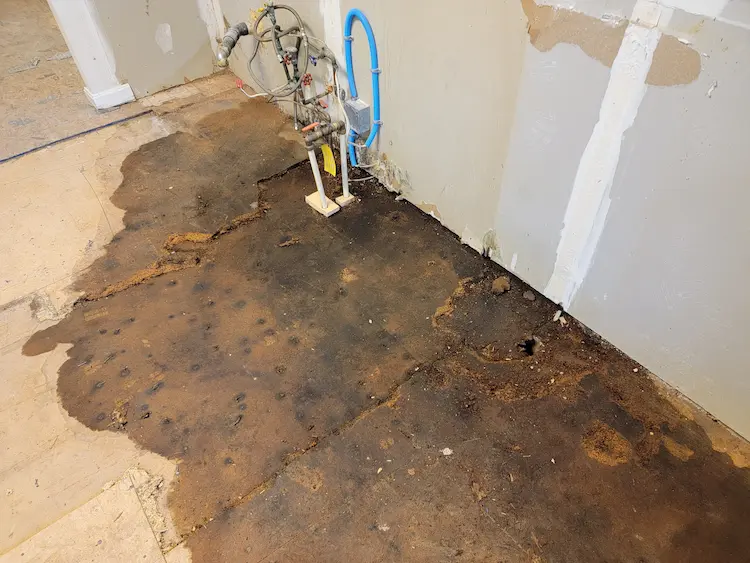
Hot water line leaks often create warm areas on your flooring, while other leaks may cause damp spots, warped flooring, or moisture buildup.
Sound of Running Water
Hearing water running when no faucets or fixtures are in use can be a strong sign that water is escaping beneath the slab.
Low Water Pressure
A slab leak can reduce the pressure reaching your faucets, showers, and appliances because water is escaping before it gets where it needs to go.
Cracks in Walls or Flooring
Ongoing water movement under the foundation can eventually contribute to cracks in flooring, walls, or even sections of the slab itself.
Mold or Musty Odors
Persistent moisture from a hidden leak can create the perfect environment for mold growth and musty smells inside the home.
When You Should Call a Plumber Right Away
You should call a plumber as soon as you notice multiple warning signs or even one serious symptom that suggests a slab leak. Waiting too long can lead to more extensive water damage, structural concerns, mold issues, and more expensive repairs.
It is especially important to call a plumber quickly if you notice wet flooring, unusually hot spots, the sound of water running under the floor, foundation movement, or a water bill that keeps climbing for no clear reason. Hidden leaks do not usually fix themselves, and they tend to get worse with time.
Why Early Slab Leak Detection Matters
Early detection can help prevent major damage to your home and reduce the overall cost of the repair. A professional plumber can use specialized leak detection equipment to locate the problem with greater accuracy and less guesswork.
The sooner the leak is found, the sooner the right repair strategy can be recommended. In some cases, prompt action can help avoid further foundation damage, flooring replacement, drywall problems, and long-term moisture issues.
How a Plumber Finds a Slab Leak
Slab leak detection typically involves more than a basic visual inspection. A plumber may use pressure testing, electronic leak detection, acoustic listening equipment, thermal imaging, or other non-invasive methods to narrow down the location of the leak.
Professional leak detection is important because it helps reduce unnecessary damage to flooring or concrete while identifying the source more efficiently. Once the leak is located, the plumber can explain the best repair option based on the condition of the pipe, the location of the leak, and the overall plumbing system.
Common Causes of Slab Leaks
Slab leaks can happen for several reasons. Older pipes may corrode over time, especially when exposed to minerals in the water or soil conditions around the home. Shifting soil, foundation settling, abrasion from pipe movement, poor installation practices, or high water pressure can also contribute to pipe damage beneath the slab.
Even newer homes are not completely immune. That is why it is important to take warning signs seriously instead of assuming the issue is minor.
What Happens if You Ignore a Slab Leak?
Ignoring a slab leak can lead to a long list of costly issues. Water may continue eroding the surrounding soil, weaken sections of the foundation, damage flooring materials, increase indoor humidity, and encourage mold growth. In some cases, homeowners do not realize the extent of the damage until the flooring begins to buckle or cracks appear in walls and ceilings.
Fast action can make a major difference. Calling a plumber early helps you get answers before the problem grows into a much larger repair.
Final Thoughts
If you suspect a slab leak, do not wait for more visible damage to appear. Signs like rising water bills, damp flooring, warm spots, low water pressure, or unexplained sounds of running water are all reasons to contact a plumber for professional leak detection.
A slab leak is one of those plumbing problems where early action can save you significant stress, damage, and cost. Having a plumber inspect the issue early is the best way to protect your home and get the right repair started as soon as possible.